Decentralization & The Digital World


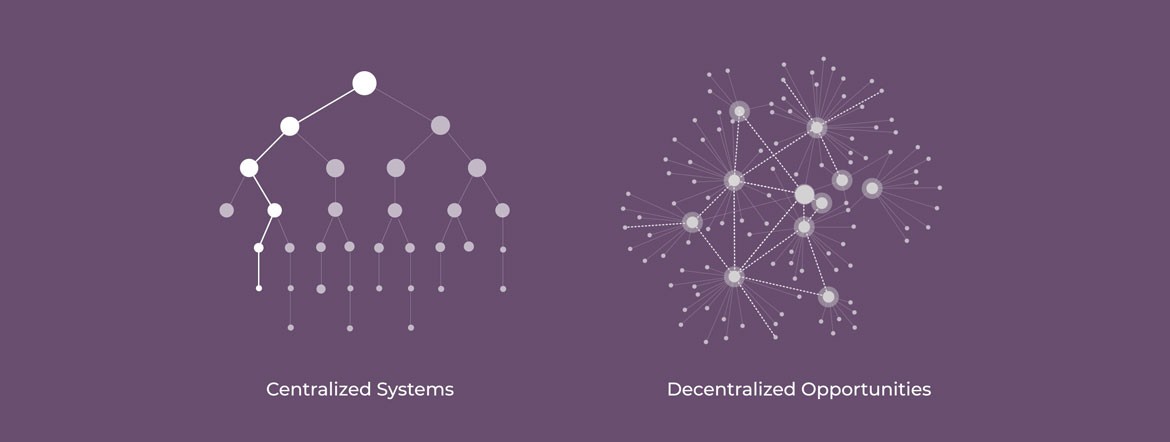
Centralized systems are characterized by a single authority or entity controlling decision-making, resources, and power, often with a top-down hierarchical structure. This is evident in various aspects of society today, such as government, finance, and technology. For instance, central banks like the Federal Reserve control the money supply and manipulate interest rates, while big tech companies like Google and Facebook dominate the internet and social media landscapes. On the other hand, decentralized systems distribute power and decision-making among multiple nodes or participants, allowing for more autonomous and resilient networks. An example of this is cryptocurrencies like Bitcoin, which operate independently of central authorities and use blockchain technology to facilitate secure, peer-to-peer transactions. Decentralized systems can be more resistant to censorship, corruption, and single points of failure, but they may also face challenges in coordination, standardization, and security.

© 2026. All rights reserved.


Discover The UPMA Advantage!
Be advised, this website is for educational purposed only and not considered advise in any way.